
Centrend

Human Firewall

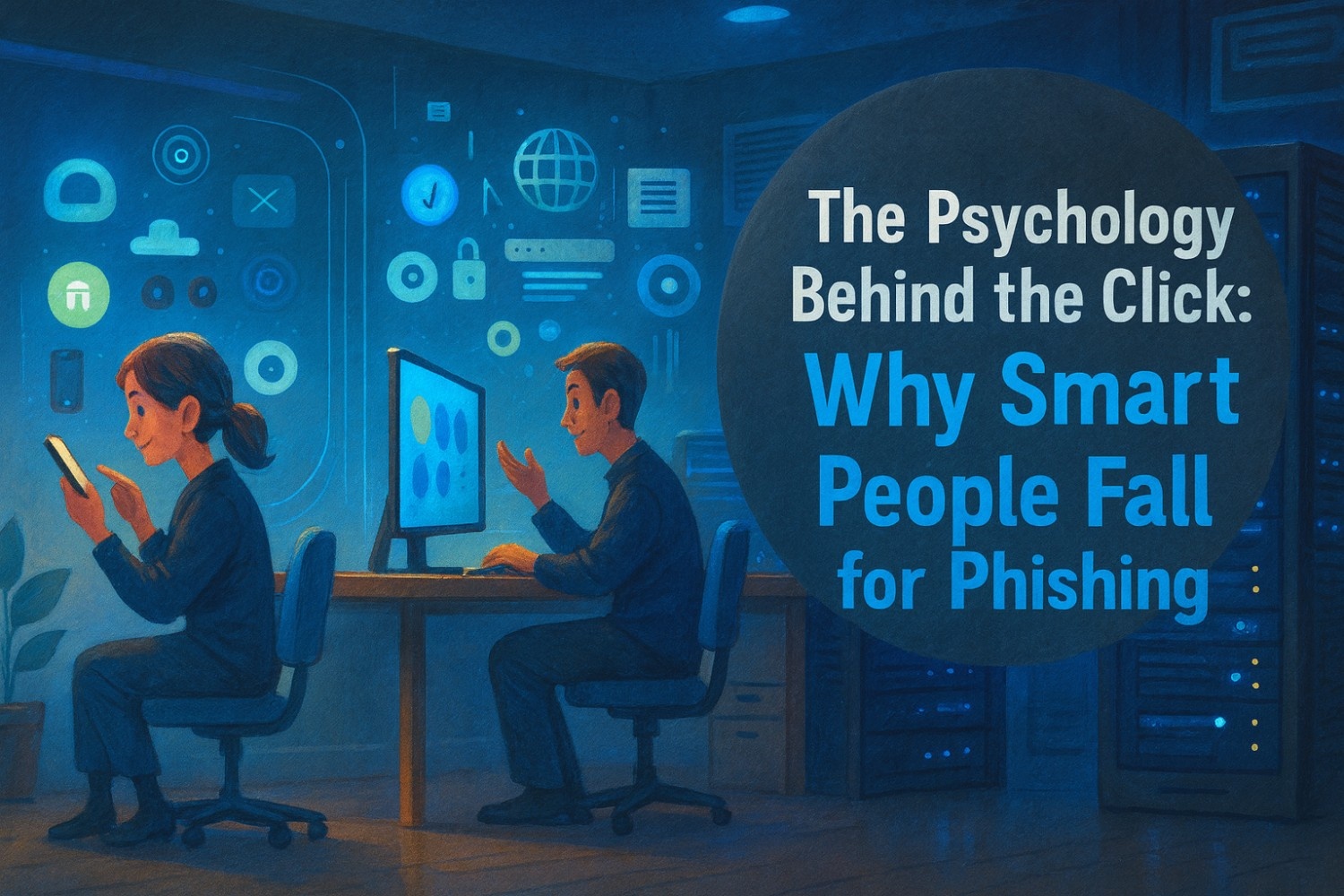
An office employee hesitating before interacting with a suspicious email, symbolizing how phishing exploits human behavior and the psychology behind the click.

Psychology Behind The Click: Why Smart People Fall for Phishing

Psychology Behind The ClickOne email.One moment of distraction.One perfectly timed message. That’s all it takes for a phishing attack to land. And often, it’s not the careless who fall for it, it’s the high performers, the fast decision makers, the trusted leaders. Phishing isn’t a technical problem alone.It’s a psychological strategy, designed to target how humans think, respond, and move through a busy day. Psychology Behind the Click Reveals Why Even Smart People Fall for It These messages aren’t obvious. They’re engineered to blend in.Attackers use social cues, visual familiarity, and emotional timing to get through even the best defenses. Here’s why they work: The issue isn’t intelligence. It’s the psychology behind the click.It’s that the brain is wired to react first, then process. Psychology Behind the Click Shows How Phishing Outsmarts Instincts You can roll out every best practice: But that one message disguised just well enough can still get through. When someone clicks, it’s not failure.It’s proof the message was designed to work. So What Does Work? To counter phishing tactics, your cybersecurity strategy must build mental habits, not just technical protocols. Here’s how to shift from reaction to resilience: 1. Teach a Habit of “Pause and Review” Encourage every employee to take a beat especially when something feels just slightly off. 2. Use Realistic Training Examples Show real screenshots, red flag patterns, and messages based on your actual internal style.Not sanitized mock-ups actual lookalikes. 3. Make Reporting Easy and Encouraged No fear. No shame.Every “this looks weird” report helps improve team awareness.Celebrate submissions even false alarms. This Is a Culture Shift Not a Checklist Cybersecurity isn’t just about firewalls and passwords.It’s about how your people think, respond, and communicate especially under pressure. The phishing landscape evolves fast.But the right habits evolve with it. Final Takeaway  Smart people don’t fall for phishing because they’re careless they fall because attackers understand psychology. The best defense? A team that doesn’t just know better, but acts on it. If you’re looking to strengthen your human firewall, let’s connect.We’re happy to walk you through practical ways to reduce everyday risk. Schedule a quick, no pressure call to get started:Book a time that works for you

Psychology Behind The Click: Why Smart People Fall for Phishing Read More »
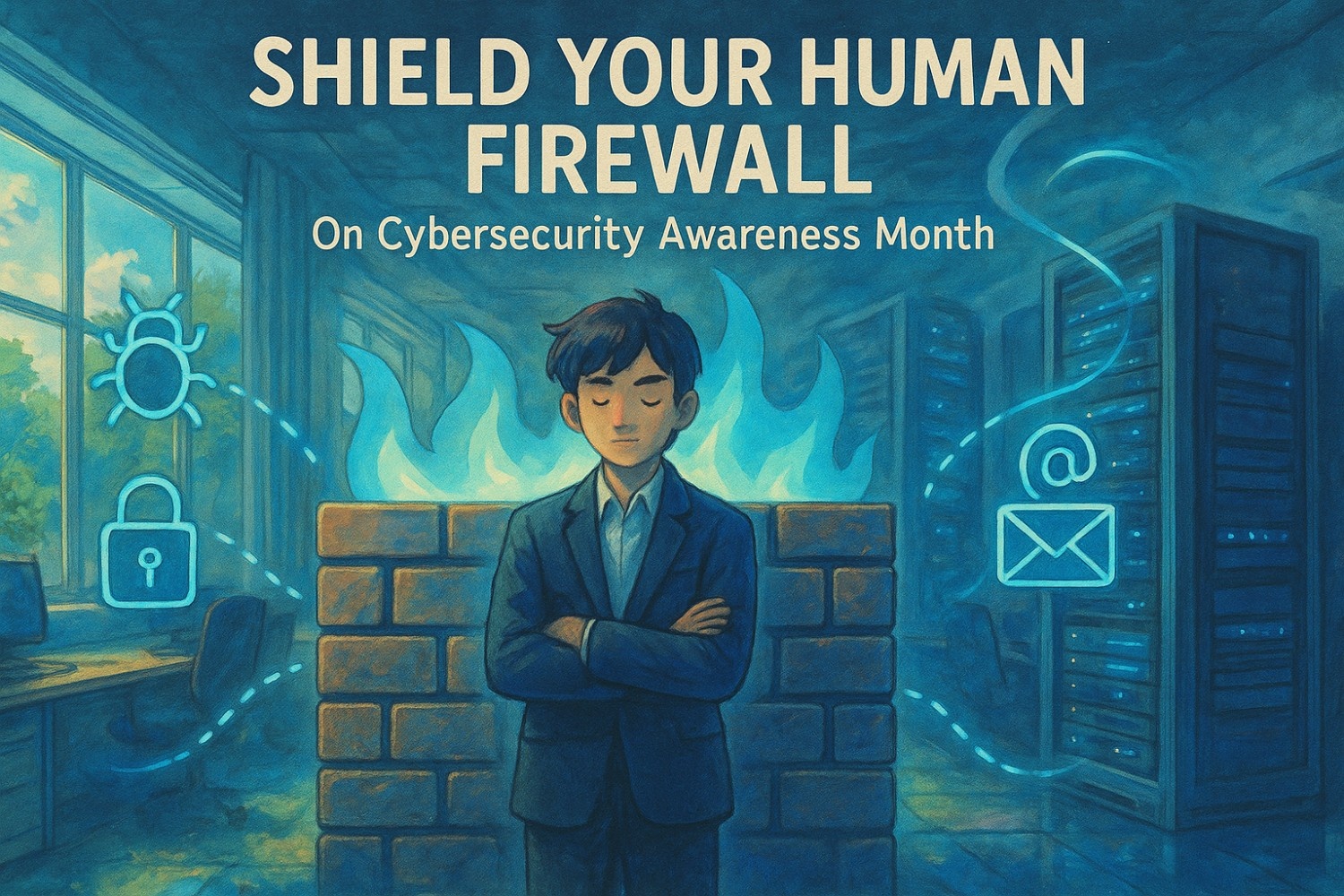
Illustration of employees standing in front of a digital firewall, symbolizing a strong human firewall during Cybersecurity Awareness Month, with a focus on team awareness, phishing prevention, and workplace cybersecurity culture.

Cybersecurity Awareness Month Human Firewall

Cybersecurity Awareness Month Human Firewall. Even the best security tools can’t stop a well-crafted phishing email if someone clicks. And that’s exactly what attackers count on human error.One typo.One fake invoice.One fast click. That’s all it takes for ransomware to spread, data to leak, or your operations to grind to a halt. Even the best security tools can’t stop a well-crafted phishing email if someone clicks. And that’s exactly what attackers count on human error. Cybersecurity Awareness Month Human Firewall: Your People Are the Front Line You’ve enforced multi-factor authentication. Your devices auto-update. The firewall is solid. But what about the human side of your defense? Cybersecurity is no longer just a tech issue it’s a people issue. Cybersecurity Awareness Month Human Firewall: Build Cyber Habits, Not Just Awareness This Cybersecurity Awareness Month, go beyond check-the-box training. Build a culture where every team member becomes a line of defense. Here’s how to reinforce your human firewall one habit at a time: 1. Teach Real-World Threat Spotting Show actual phishing emails (with red flags highlighted).Use your chat app or intranet to run “Spot the phish” challenges.Turn passive learning into active recognition. 2. Normalize “Pause and Verify” Fast clicks lead to big breaches. Slow things down.Make thoughtful, double-check behavior the team standard.Celebrate moments when people don’t click and verify first. 3. Eliminate Shame in Reporting Encourage all reports even if they turn out to be nothing.Track and share your team’s “phishing stopped” stats.Make cyber wins part of team wins not just IT’s problem. This Week’s 20-Minute Fixes You don’t need a long training module to make progress today. Start small: Cyber Starts with Culture You can’t patch people. But you can build better instincts. When your team knows how to spot a scam, report a suspicious email, and stay alert, they become your strongest defense. Because in 2025, the biggest risk isn’t outdated software it’s a distracted click. And your best cybersecurity investment? A team that knows better.You’ve got the tools now it’s time to align your team. Let’s build the culture behind your firewall.Book a Quick Call and we’ll show you how.

Cybersecurity Awareness Month Human Firewall Read More »

Scroll to Top