
Centrend

ransomware prevention

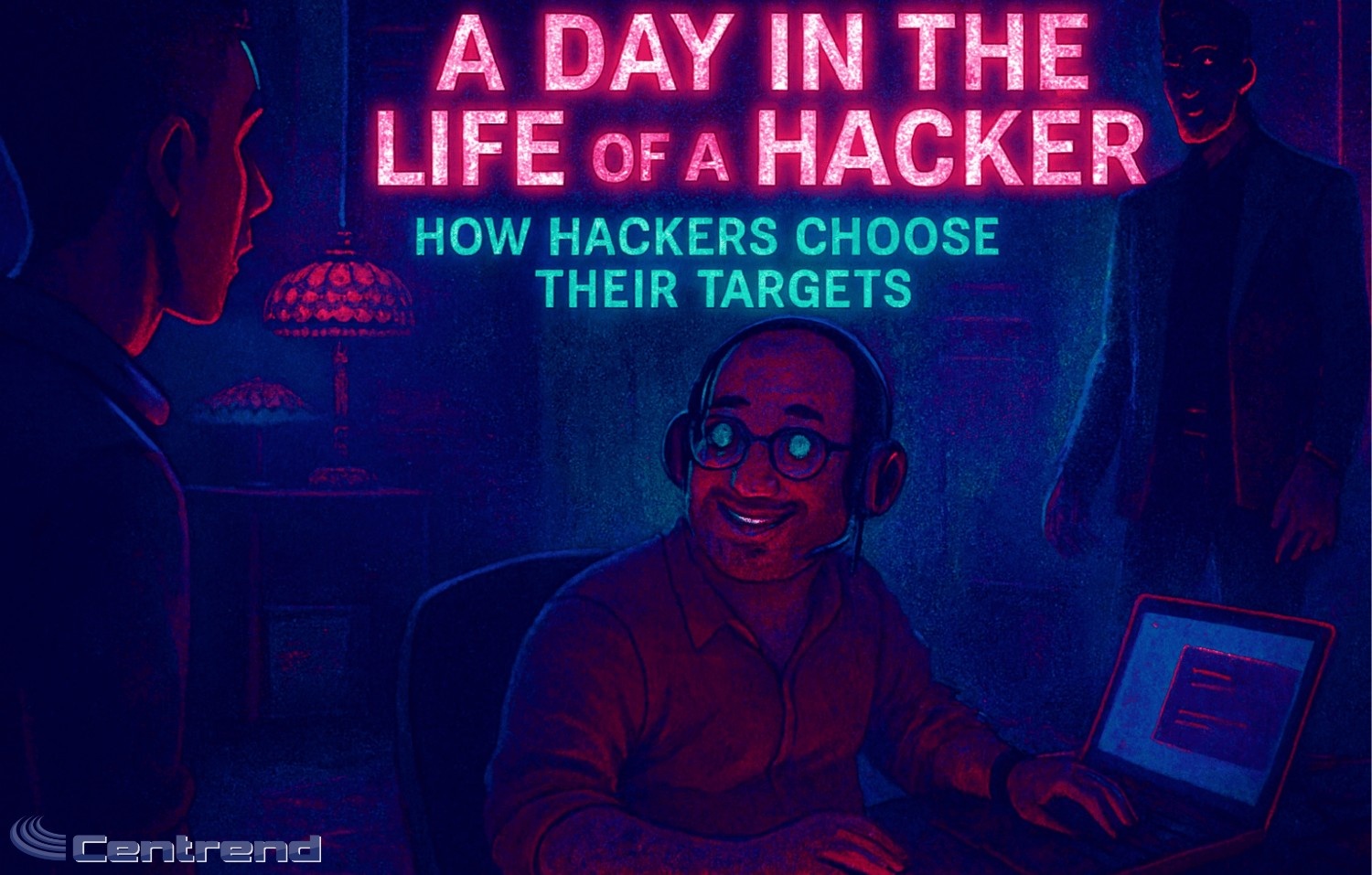
How Hackers Choose Their Targets: A Day in the Life of a Hacker

Cyberattacks don’t always start with brute force they begin with quiet observation. If you’ve ever wondered how hackers choose their targets, it’s not about high-tech tools or dramatic scenes from a movie. It’s about identifying soft entry points your business may not even realize exist and exploiting them before you ever know they’re there. Morning Recon: How Hackers Identify Vulnerable Systems I start my day like anyone else Coffee in hand, screen glowing. But instead of checking emails for meetings, I scan the digital streets for Vulnerabilities. I’m not hunting for high-profile names. I’m hunting for weak spots: Why try to crack a safe when someone leaves the front door wide open? Midday Tactics: How Hackers Exploit Human Behavior Once I find a likely target, I don’t attack the firewall I attack the person. People are the easiest way in. I send a spoofed invoice, a password reset email, or an urgent message from “the CEO.” It looks normal. Feels familiar. It only takes: And just like that I’m in. Afternoon Priorities: How Hackers Pick the Most Profitable Victims Not all targets are worth it. I want leverage. So, I look for industries where downtime equals disaster: That’s how I choose who to attack not based on size, but on vulnerability and value. Evening Payout: How Hackers Execute and Disappear By evening, I’m already deep inside a system. Sometimes I stay quiet, collecting logins, downloading data.Other times, I lock the entire network and leave a message:“Pay me, or lose it all.” Then I vanish. Tomorrow, I’ll wake up and do it again. What This Means for Your Business This “day in the life” isn’t fiction.This is exactly how hackers choose their targets every day. They look for: The good news? You don’t have to make it easy. At Centrend, We Close the Easy Doors At Centrend, we specialize in stopping threats before they start. Here’s how we protect you: We don’t chase fire drills. We prevent them. Don’t Let a Hacker Choose You. Secure Your Business with Centrend. 📞Book your FREE CyberDefense Risk Assessment today 🌐Visit us on centrend.com No pressure. No jargon. Just a clear look at where your vulnerabilities are and how to fix them before a hacker finds them.

How Hackers Choose Their Targets: A Day in the Life of a Hacker Read More »

IT Habits That Put Your Business at Risk

“And no, it’s not just about antivirus software, it’s the everyday IT habits that put your business at risk.” You’ve invested in cybersecurity tools, policies, and training, but breaches still happen. Why? It’s often the small IT habits that put your business at risk. Because attackers don’t always need sophisticated tactics.They exploit simple habits.An unlocked laptop A reused passwordOne careless click These small, everyday actions often create the biggest risks, and they’re exactly what cybercriminals look for. In this post, we’ll cover 5 Essential IT Habits that quietly shape your security posture, and how fixing them can close the gaps most tools miss 1. Lock Your Devices Always Why it Matters: One unlocked screen can expose sensitive files, emails, or client data in seconds. Whether you’re at your desk or in a coffee shop, leaving your system open is like leaving your front door wide open. Pro Tip: Set auto-lock timers to activate after 5 to 10 minutes of inactivity. It’s simple, invisible, and crucial. 2. Reused Passwords, Cybersecurity Habit That Puts Your Business at Risk Why it Matters: Hackers love when people reuse passwords. Once they crack one account, they’ll try it everywhere. That one shared password could lead to email hijacks, data theft, or full system lockout. Fix it Fast: Start using password managers like BitWarden, 1Password, or LastPass. And always enable Multi-Factor Authentication (MFA) it’s your second layer of defense. 3. Skipping Software Updates Can Put Your Business at Risk Why it Matters: Every “Remind me Later” click is a missed patch for an existing vulnerability. Outdated software is one of the easiest ways hackers break in. Make it Routine: Set a weekly calendar reminder. Fridays are perfect to update all devices and apps before the weekend. 4. Don’t Click That Link Train Your Team to Spot Phishing Why it Matters: Phishing emails are still the #1 gateway to ransomware and data breaches. It only takes one careless click to infect your entire network. What Works: Use phishing simulation tools like BullPhish (we recommend it at Centrend) to run internal tests and strengthen your team’s instincts. 5. No Backup, No Recovery Why it Matters: When ransomware hits or a device fails, your backups are the only thing standing between you and total data loss. Best Practice: Set up automated backups, store copies in multiple secure locations (cloud and offsite), and test them monthly to make sure they work. What These Habits Really Mean for Your Business Cybersecurity isn’t just about advanced tools  it’s about daily discipline. These habits don’t take much time, but they can mean the difference between a normal Monday and a total Business Shutdown. Get Ahead of IT Threats. Before They Get Ahead of You Don’t wait for a Wake-up Call.Book Your FREE Cybersecurity Risk AssessmentNo pressure. No jargon. Just clarity on where your risks are hiding and how to close the gaps before attackers find them.

IT Habits That Put Your Business at Risk Read More »

Scroll to Top